
Dear Elizabeth,
I write you this letter upon the request of your Science Academy teacher. He says he will hold onto and deliver this letter to you when you are on the cusp of graduating from high school. That is approximately two and half years from now. So here it goes:
Beautiful daughter, you are currently well into your sophomore year of high school.
Finally!
You are really into it now: Honors Chemistry with Mr. W… that class will rock your world. Honors Math, Honors History: the content stage of your K-12 education is upon us. As students colloquially say, “Shit has gotten real!” I love it. I have been waiting years for you to finally have academically rigorous classes.
Elementary school was content-lite, to put it mildly. You learned the basics of literacy and numeracy, while learning how to “do school.” There were generous doses of baby-sitting by nice ladies who were far from experts in the subject areas they taught. Elementary school teachers are generalists. Nobody learns huge amounts of academics in elementary school. Things are just getting started.
Let’s not even mention middle school. When kids enter the confusing chaotic fog which is the hormonally-induced miasma of middle school, you just have to wait until they mature out of it. Most people look back at that age and recognize it was not their most graceful era of life. Let’s just leave it at this: you survived relatively unscathed. But you did not learn much in terms of academics.
But now you are on the Honors/Advanced Placement track at the magnet high school, the academic “nerd” campus in town. And you chose to join the school newspaper and the BioScience Academy after your freshman year; that is impressive. You yourself have noticed how your path has diverged from the paths of your friends who don’t care about school. Plenty of young people by your age have decided college is NOT in their future; you have decided it IS in your future. So you were up late last night studying for Mr. W’s chemistry test yesterday. You are putting in the “hard yards” which a quality education requires. I applaud you.
I have spent many years hearing about the “trauma” of those chemistry tests in Mr. W’s class. That course is almost the first time many students have been outside their comfort zone in school. And that is exactly what I want for you, my beautiful youngest daughter. One student last year told me this, “It was in Mr. W’s class last year where I first learned how to study and learn. For reals, I mean.” There is something about taking highly rigorous academic classes which forces a student to start operating at the highest levels; necessity forces them to learn how to buckle down and do better. A student studies a bit for the first test and scores a 40%, and they are crestfallen at their low score; but they know they have to come back stronger and smarter next time. That teacher is not messing around. And it is not necessarily about studying longer; it is as much about studying smarter. This you will learn. Your teacher will assess your performance and assign you a letter grade for that course.
So a young person by their grades begins to either show they are the sort of student who should eventually go to an academically prestigious university. Or not. Or somewhere in the middle.
Yesterday I walked over to Mr. W’s classroom and thanked him for being hard on you. I even requested, half-jokingly, that he be even harder on you in the future because you are my daughter. I told him, “If I could, I would drop Elizabeth into the jungle with just a knife for a week. She would learn how to survive, and it would make her stronger.” I was only half-joking. I believe in hard classes for you (within reason). You will have plenty more going forward, Elizabeth. AP US History with Mr. F. Honors Physiology with Mrs. A. BC Calculus with Mr. P. Those teachers are being “cruel only to be kind” – not that they are cruel to you personally, but their classes are hard so as to make you a better student (and person). You can thank them when you’re in college.
“That class is hard, daddy!” you might complain to me (although you haven’t yet).
GOOD!
The harder, the better. (Within reason.)
This is the path; the obstacle is the way. Difficulty and discouragement are unavoidable for ambitious high school students. But that is precisely where the growth is to be found. Lean into the difficulty and allow it to make you stronger and smarter.
You have chosen the difficult classes on campus, Elizabeth. I applaud you. Your desire to get the most out of school should come from you, not me. So you will reap the benefits. Hard classes, big gains.
You will be reading this letter when you are almost ready to graduate from high school. I have told you this numerous times, but I will say it again: academic achievement is important, but it is far from everything. I do want you to learn about math, history, literature, and science. The academics is what the game is about in school; that is why you are there. By the time you read this letter as a high school senior you will have gobbled down and hopefully digested vast tracts of academic content. You will be on the very verge of adulthood; you will have turned 18-years of age. Elementary school and childhood are distant now. Starting college is your next step.
But there are two things I hope you have learned in high school, beyond content matter. This is where we get to what, in my opinion, is most important.
The first goal is to learn how to learn.
If by necessity you learned in high school how to break down complicated ideas and chunks of material into manageable blocks, and then to process and understand that class content – if you can perform well and score highly on assessments of difficult subjects – then that is a skill you can take to the bank for the rest of your life. You will have learned how to learn. If you have acquired this skill it will spread to all areas of life as an adult: at university, graduate school; in the workplace, the family, all sorts of hobbies; as a consumer, citizen, spouse, parent; whatever and wherever. If you can do this then you can learn whatever you need to learn in order to give yourself the best chances to be successful in life. Learning how to learn: you would be surprised how many people never learn how to do this. And it speaks directly to their education and success therein, and their status as an educated person generally. The ability to learn has much to do with school, but also with endeavors far beyond school.
By the time you read this letter, I hope you can look back at high school and say the following,
“I used my time. I did the very best I could to perform as well as possible in my classes, especially the hardest ones. I can learn and succeed in college. I can learn anything, if I put my mind to it. Blood, sweat, and tears is the only currency necessary. I have done it before. I can do it again.”
You saw your older sister do this: she blazed the path. Now it is your time to follow in her footsteps, and to create your own unique path, moving forward to college and beyond.
I suspect this will go well, daughter Elizabeth. You have all the support you need, in addition to a good start in your freshman year. But only time will tell. By the time you read this at the end of high school I will hope that what I have just put in words you have come to understand in your bones – that you have learned it through hard work and earned success in the classroom.
The second goal is to learn to engage the world and be successful therein.
High school, and later college, are the first concrete steps in a young person’s life. Focusing on reaching your goals and working hard towards them is essential if you are to be successful in high school. And here we get to the crux of the issue: success begets success, and failure begets failure. Drifting through adolescence, dabbling in drugs and delinquency, disrespect and rebellion, failing one’s classes – this is pretty common for many teenagers. But most people are creatures of habit: failing in high school is often a harbinger of failing later in life, too. Some who struggle as teenagers get their act together later. Most don’t. That is why dropping out of college can be such a damaging occurrence for a young adult: having failed one of life’s first tests, a trend is starting. Failure becomes a habit. Then after dropping out a young person is in the wind, bouncing from place to place, job to job, relationship to relationship. They are too often traveling towards no certain goal. Such a person is drifting. That is far from ideal.
Will such a person eventually correct course? Find a place in the world with a career? Or not? Drift indefinitely with no real marketable skills? Bounce from one thing to another without ever really arriving anywhere?
These are important societal questions, as some 40% of Americans drop out of college. But I suspect you won’t be one of them, Elizabeth. And it has a lot to do with you not having dropped out of high school. You will have gone in precisely the opposite direction. Your high school career was a success. Everyone in your family has graduate degrees. You most likely will follow in our footsteps. Harvard, Stanford, UCLA, UC Berkeley, and UC Irvine are our alma maters. It is up to you to earn your place in college, too. It will happen. You will find your way.
But, daughter Elizabeth, believe me when I tell you this: I don’t really care about your grades, not really. I care about you learning how to learn, and engaging the world and working towards your success in it, daughter mine. I have always told you this: if you have worked your hardest and done your best in a class, I won’t pay all that much attention to the grade. You will notice how I never pay attention to what your grades are during the semester; unlike some parents, “Tiger parents,” I never go online to check your grades. I do not hound you incessantly to get the “B+” up to an “A” like many parents. I will ask you, “Are you doing everything you can to learn and earn an ‘A’ in this class, Elizabeth?” If the answer is “yes,” I will rest content with a “B” grade on your semester transcript. I will try to let you take care of your business, just like I let your older sister. If your grades are poor, or if you are missing assignments, then I reserve the right to become more strict. But a young adult can never learn to take responsibility for their life and move forward if a parent is always in the way. I was super involved when you were younger, but every consecutive year I hope to back off more and more. By your senior year I will hope to have made myself redundant as a parent. You will take care of your own business, so I won’t have to – that is the plan, at least.
A reminder: You are not in competition with your older sister. She was an exemplary student and got into UCLA. You and I will drive her to Rieber Hall in two days to drop her off at her dorm on campus. That has been her road so far. You will have your own separate road, not to be compared with hers. I am serious when I say that. You are also not in competition with the other high-achieving students at your high-achieving school. In your AP classes there will be students smarter than you, and others less smart; but all I ask is that you focus on maximizing your own talent and performing as well as you can. As that poster in my classroom reads:
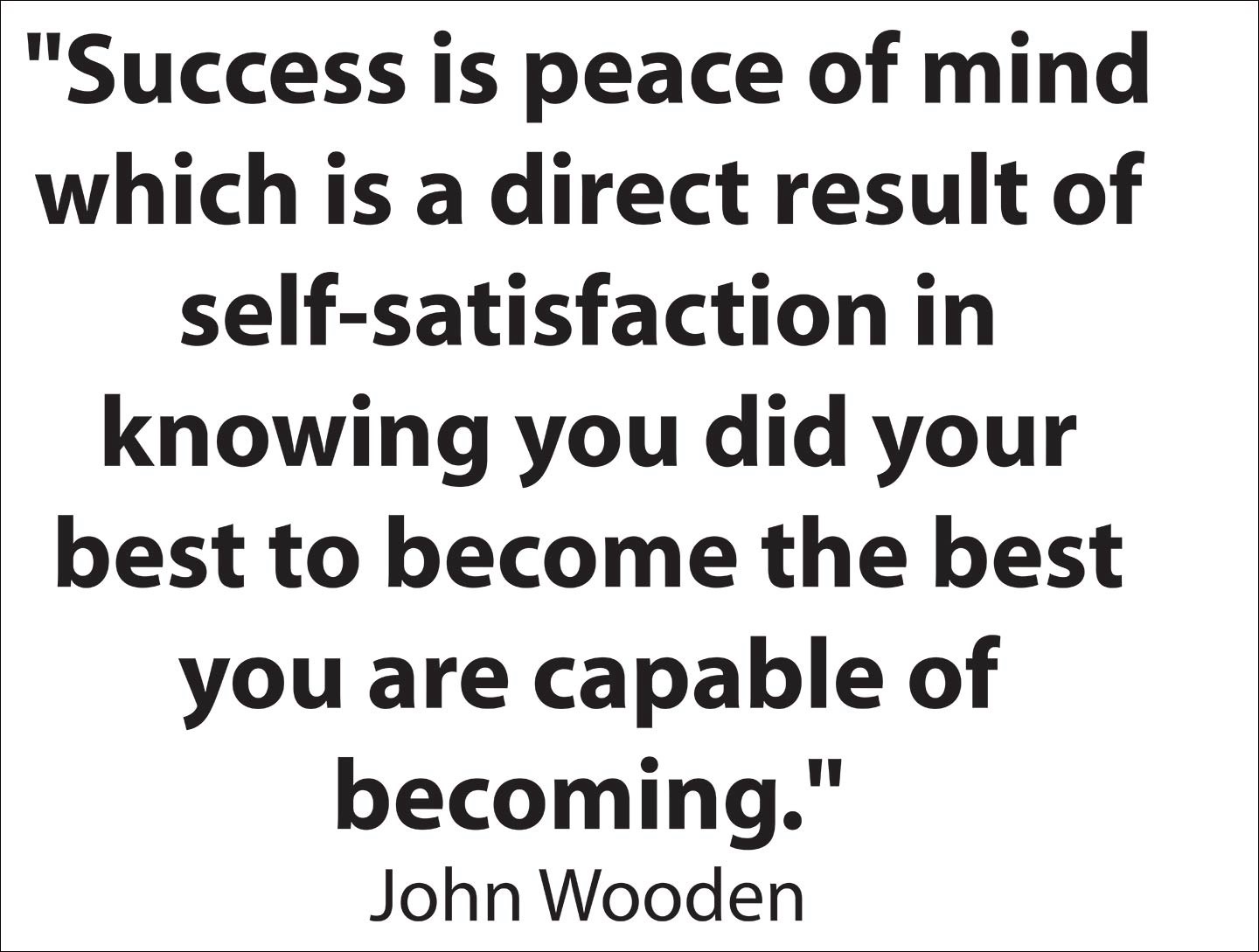
Daughter mine, I want you to put all your efforts into being the best possible Elizabeth you can be, in school and out. The grades on your high school transcripts are a strictly secondary concern, maybe even a tertiary one. Try your hardest in school, be a decent human being, and the rest will work itself out. Trust me.
I am not naive enough to fail to recognize that grades are important. They are highly relevant to the college you will be able to attend. But I have always been frustrated at the laser-like focus many students (and their parents) put on their Grade Point Averages (GPA). That you would earn an almost perfect 4.77 GPA and gain entrance to the best colleges does not guarantee you success or happiness in life. Because you waged a scorched-earth campaign from seventh grade on to get into Yale and eventually succeeded does not mean you are on “easy street.” Life is just not that simple. You are not your GPA. Your grades say something about you, but do not exaggerate how much.
Among ambitious students there can be loads of peer pressure and comparison about grades and “who’s the smartest.” I recognize that. The pressure can take a toll. But that pressure was not coming from your father. Remember that. If you try your hardest – blood, sweat, and tears – the grades will go your way. I firmly believe this. I have been a secondary teacher for thirty-two years. I know something about report card grades and later life success. Don’t compare yourself. Don’t fret. Don’t get ahead of yourself. Trust in the future and stay present in the moment. Strive to engage your teachers and live up to their expectations. Relax and do your best.
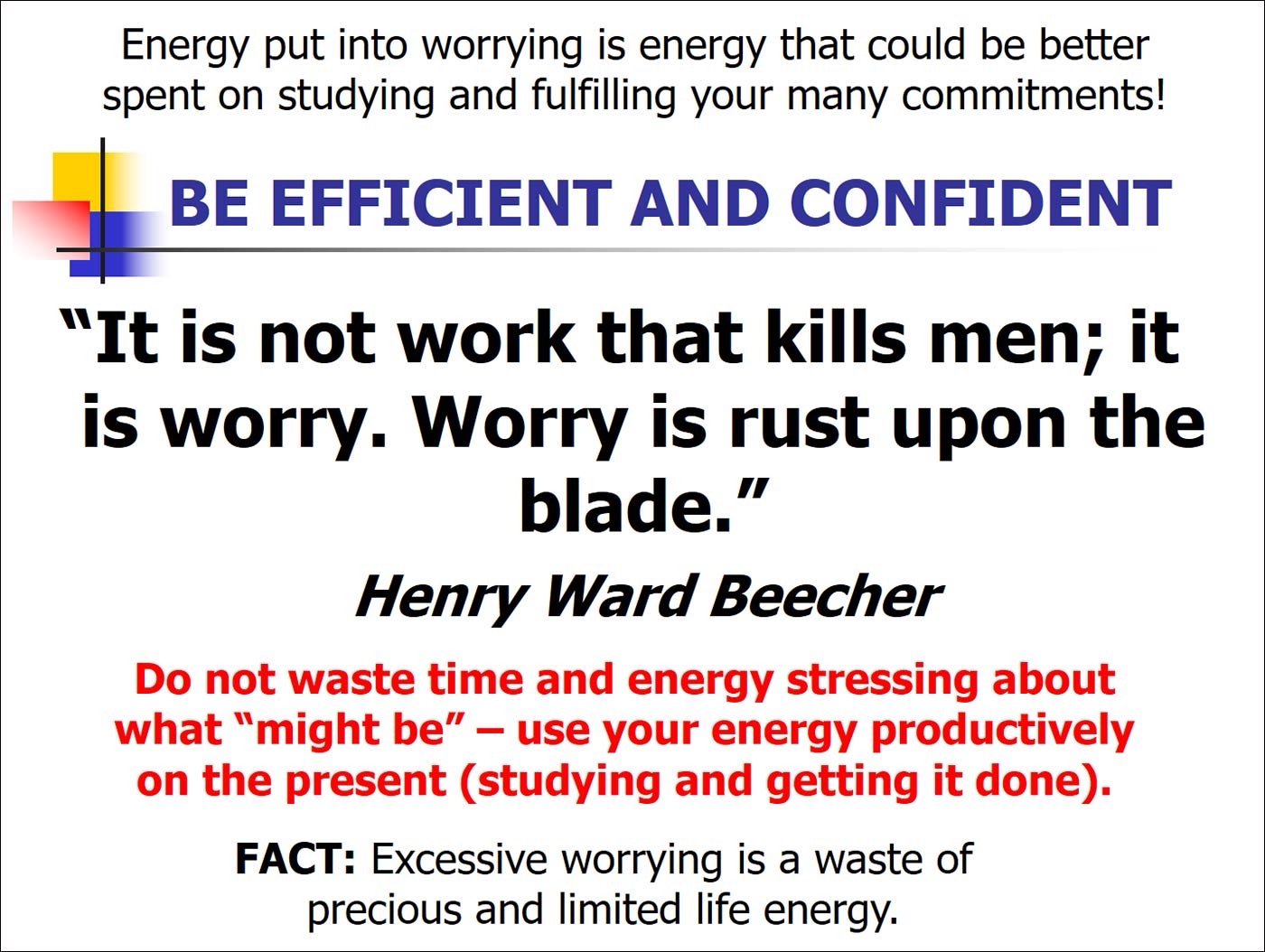
During huge tracts of your childhood I read book after book to you. Every night at bedtime we would have story time. When you were just learning to read we would gradually make our way through the Harry Potter and Spirit Animal series, or all those tear-jerker stories about kids whose beloved pets would tragically die – and innumerable other topics over many years. In this way we had read most of the core literature for high school before you even arrived here on campus.
We didn’t do this because it was “virtuous.” The goal was not to get you eventually into Yale. We did this because it was fun. Or, more precisely, it happened because I chose to do this at a time when you were too young to object; you were along for the ride. More recently we watched the entire “Friday Nights” TV series together – all six seasons. Side by side on the couch we watched the episodes, and it became a sort of situational ethics course for us both. We talked at length about all sorts of dilemmas young people (and not only young people) might face in life. We are almost done with the “My So-Called Life” series right now. That has been the source of innumerable powerful discussions on adolescence (and not only adolescence). I hope we never stop doing this, Elizabeth. I have enjoyed it all. There is no reason it should stop. Many teenagers want to be anywhere their parents are not; adults are like kryptonite to them. It has never been this way for us, beloved daughter. I hope it never is.
This brings us to the point of life, which school is only one part of. Beyond grades and degrees this is what I want for you: to remain intellectually curious. To regard the world and the people in it as interesting and valuable and worthy of attention and study: that is what we have done.
And of course school is important towards that goal, but it goes way beyond school. One of my pet peeves is when a person reads books and writes papers for four years during college, and then almost never reads a book again. As if four years were enough to become educated! Like that other poster in my classroom:

“We learn not for school, but for life.”
This is who I am. That is what I value. I have tried to inculcate those values to you and your older sister.
As you read this before high school graduation, only you can be the judge of how successful I have been. Only you can answer the question, “What did I learn in high school? Have I been successful?” It is your life. Your future.
Regardless of the answers to these questions, I am proud of and love you. I worried about you during middle school with some “bad influences,” although I said nothing at the time. Even if I seemed aloof, I was paying attention. You were with me almost all the time, and we talked about it. But you chose to not go down that path which some of your peers unhappily did. That impressed me so much! Even if I did not say it out loud, it made a positive impression. I tried to stay out of it, as much as possible, and allow you to make the right choices. I wanted you to figure it out on your own, without me getting involved and mucking things up. But that was many years ago and lessons learned. Now you are ready to graduate from high school with significant positive momentum (or so I will hope).
It is a strange paradox: you were at my high school and with me almost all the time. But I have always chosen to let you mostly run your own affairs. I watched out for you closely with one eye open, but I never fixated on you with both eyes; this is important, I think. I consciously gave you your space, just like I did with your older sister. I stayed out of your personal affairs, as much as I could. I loath the “helicopter mom” model (or worse, “lawnmower” or “bulldozer” parent) and tend in the opposite direction. But if you had started getting into trouble, Elizabeth, I reserved the right to start very much more becoming involved. That might have brought us into conflict. Our relationship could have become more like the stereotypical “rebellious child/angry parent” model. As you read this letter, I will hope we never went down that road. I would hate to be that kind of parent. But rest assured that, if I felt you were in danger, I would become that parent.
But it would be out of character for you and me. So I suspect our relationship won’t go in that direction. But now that you are eighteen years old, at the time of reading this letter, it is worth asking the following questions: “Why didn’t it go that way? Why am I the way I am now?” And further: “What is going well and should be continued? Where should I make some judicious changes moving forward?”
I love you, Elizabeth. You are legally an adult now. I have done as much as I could to try and help raise you the right way. I might have failed in many ways – in fact, I’m sure I did. But I did my best. You are a Geib, “blood-calls-out-to-blood.” Choose the hard tasks: they are the only ones worth engaging. Only ambitious and difficult endeavors have the power to stir the blood and excite the soul. You will then have purpose and passion in life, and you will be ready to get to work.
The future lies ahead of you.
Time to spread your wings and fly!
Love,
Your Father
P.S. Here is the congratulatory video Grandpa sent to you after he heard how hard you were working in your Honors Chemistry class:
HIGH ADOLESCENCE: THE CRUCIBLE





One Comment
Ashwin Rebbapragada
I think it’s great you taught your children the value and importance of reading, learning, literacy, and education. Understanding the value of goals, hard work, and self-discipline is also great. I really enjoyed your post. Thanks for sharing.