My daughters are on the verge of adult life. One is already a freshman in college.
So I have less and less to say to them about how to choose a career or a spouse, or any of a dozen other topics. “Little kids, little problems; big kids, big problems,” parents more veteran used to warn me. So far that has not proved too true for me, as my daughters have grown up without major problems. I consider myself lucky as hell as a parent: my daughters are both healthy and thriving. I have seen the other side of the coin with teenagers involved with serious drug and/or mental health struggles. That can be a nightmare! My wife and I have avoided that.
I was a heavily involved father of my young children, as it should be. I put in the work at that time. It was almost unremitting. But now I am purposely backing off. As I have said numerous times in essays before, successful parents make themselves unnecessary. Young people need the agency to make their own choices, course correct, and become their own functional adults; too much parenting can be the enemy of all that. Young people must learn to become the captains of their own ships of state, or else they will just be overgrown teenagers forever. The United States is full of semi-functional adults who have failed to launch from their parent’s households and are still, in effect, man-boys or girl-women. By their age they are fully physically matured, but everything else suggests they are still basically children, or something short of an adult. That is not ideal.
But if I am stepping back and allowing my daughters more independence, I am still the parent. I always will be. I would still have a few pieces of advice, carefully tended. So I have written them down here so that my daughters might surreptitiously stumble across them years or decades from now:
The construction of the self is a work which is essential and foundational in adolescence and early adulthood, but it also never stops even as you age. “Adulthood” is more a direction rather than a destination of “maturity”; that does not change even when you are an “adult,” in the lifelong pursuit of learning — reading, asking, exploring. But it is in youth where we make the biggest decisions when everything is still being formed: Who do you want to be? What do you want to do for work? Where would you like to live? What is healthy for you? Unhealthy? What are your politics? Aesthetics? There are almost an unlimited amount of choices available to you, my beloved daughters. But with so many choices available a person can suffer from “analysis paralysis.” It is easier to choose when you have no choice, although you might feel coerced. It is harder to choose when you have five hundred choices. A person can struggle to commit, and commit you should and must.
I will be very careful in giving you any advice, beloved daughters, as you are older now. The situations you confront today are more complicated, and almost nothing is always or never true. I almost want to refrain from saying anything, as all advice might turn out wrong and any road can go bad. But I will venture a few words as you transition into college and beyond:
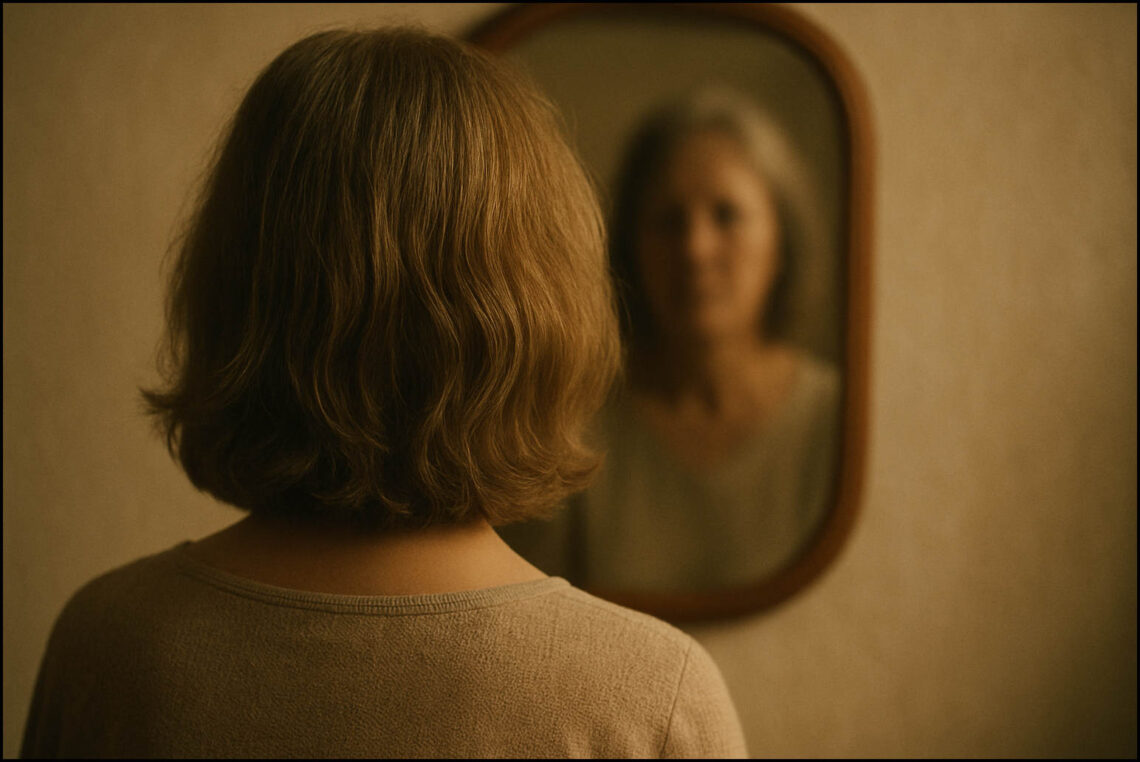
First of all, ask yourself this question: “When you look in the mirror ten years from now, will the person staring back make you proud?” This is of course a highly variegated thing, as everyone is different and what looks ideal and admirable looks very different from one person to another. There are platitudes like “to thine own self be true” which are no less true for being platitudinous. Work? Relationships? Family? Make choices which are honest to who you want to be and how you want to live and things have a way of working out.
You might reply, “But I don’t know who I want to be. I don’t know where I want to live. I don’t know what career I want. I’m only 19-years old.”
True enough, beautiful daughter. But you are not too young to contemplate those difficult life choices. And in your own time and in your own way, you will come up with answers. Or at least I hope you will. I will help you as I can, but a person in the end has to figure this out for themselves.
A few tips, if I may:
Surround yourself with people you esteem and enjoy, and spend PLENTY of time face-to-face with them. Online friends don’t count, not really. I read recently that Americans are tending towards marijuana, online betting, and pornography. They do these things mostly sitting at home by themselves alone. Those solitary pursuits are not going to result in real happiness. Go out into the world and find interesting and creative people and do things with them – sports, parties, trips, dinners, whatever. Don’t stay at home and stare at digital pixels dancing on the screen. Digital narcotics and addictive algorithms might be “fun,” but it is an empty fun which does not nourish or endure. You need “entertainment” much less than “fulfillment.” America offers plenty of cheap and easy addictions (booze and marijuana, online porn, sports and gambling apps; social media “trends,” influencer consumerism, OnlyFans all-stars) which don’t add up to much. Go for the difficult endeavors which offer great difficulty but confer lasting and profound rewards. Learn a foreign language, become a standout athlete, engage deeply with family and friends, read classic literature, write every day, fall in love deeply, travel far and wide, and practice and enjoy a musical instrument. Have rich friendships which date back to childhood and nurture them. (Yes, those were my and your mother’s life choices. You may have noticed.)
Every time I saw my daughters lying in bed looking at their phones, I got a bit sad. (“Bed rotting.”) And whenever I drive by a group of teenaged friends hanging out together and see them staring silently at their phones and indifferent to their nearby companions, a part of me dies. Be with real people. Face-to-face interaction. Not online stuff. Not technology. And my God never consider a chat bot or an AI interface to be a real ally in life, or God forbid a romantic connection. Human beings. There is really no substitute. AI might be quicker and easier. That does not equal better. Evolutionarily speaking we are meant to be often in close contact with other Homo sapiens who know us intimately. For the vast majority of our history we have been social creatures who live at close quarters with others of our species. Try to do that. We are not meant to live mostly alone with technology as our bosom buddy. Do that as little as possible.
Take the time to reflect deeply on your own values and beliefs. Whether it be politics or ethics or whatever, put in the time and effort to cobble together a cohesive if evolving core set of beliefs. Is evil “real” or not? What should be the level of government involvement in the lives of citizens? Democrat or Republican? How much to save for the future versus spending to enjoy the present? How responsible are you for the welfare of others versus their responsibility to take care of themselves? How will you balance the demands of your job versus the needs of yourself and your family? How does exciting sex play into companionate love? Marriage and children, or serial monogamy and childlessness? Or something else? Live in Ventura, California near the beach where you grew up? Or choose to live elsewhere? These are just a few quandaries for which there are no easy answers. But you must engage them. You must also have some tentative answers to those questions, even as those answers might change. Plant your flag and take action. Don’t be a spectator; actively engage the world. Have reasons for your choices and a plan moving forwards. The plan might deviate and the destination might change – no, it will change – but you are not just spinning your wheels.
I feel so fortunate that I grew up in an era before social media and mass digital communication. I had the space and freedom, as a young person, to figure my shit out. I also had the privacy to do so without others mucking up the process with too much input and social pressure. In the age of social media, my beautiful daughters, you have so much less privacy to dig deep and develop your own opinions, and the result is there is so much more pressure to conform. People get shamed and “cancelled” for unorthodox opinions which are in the minority, and that can be a shame. There are so many fewer original thinkers nowadays, and it can be so easy to simply ape the opinions which the majority bandy about in their social media “echo chambers.” In those delicate early days of developing a core set of personal beliefs, the input of others can muddy the waters. Look for the truth, no matter where that takes you.
But try to keep your ideas to yourself, especially in the beginning. Think deeply and come to your own conclusions. Don’t let the opinions of others overly influence you. It is entirely possible you are right and most everyone else is wrong. Back in the late 1970s and 1980s I was able to have the space to nurture my own opinions without the hive mind on social media influencing me to accept certain “accepted” ideas or another. I had the freedom to be an individual. That seems almost impossible in the age of social media where your exposure is so much more and your privacy so much less. As Yascha Mounk argued, “Just as social media facilitates near-total communication, so too does it facilitate near total surveillance, a panopticon much more omniscient that those dreamt up by Jeremy Bentham and dreaded by Michel Foucault.” Mounk writes most insightfully, in my opinion, about contemporary social media as a “panopticon”: everybody is watching, and the most strident and dogmatic are policing the “unacceptable” thoughts of everyone else. Strangers online who you have never met (and most likely will never meet) are exerting discipline over your language and thinking. It is as if you suddenly live in a small village and everybody is in everybody else’s business; privacy is next to impossible. Try to counteract this, as much as you can, my daughters. Power down your cellphone, turn away from the digital noise, and ignore the political effluvia of the moment; turn inward, think deeply, and attend to the quiet reflection of your introspection. Silence is where the soul grows. Wisdom is the accretion of decades of deep thinking which hopefully result in humble and tentative conclusions. In contrast, learning rarely comes from temper tantrums or shouting matches. Find better teachers than those.
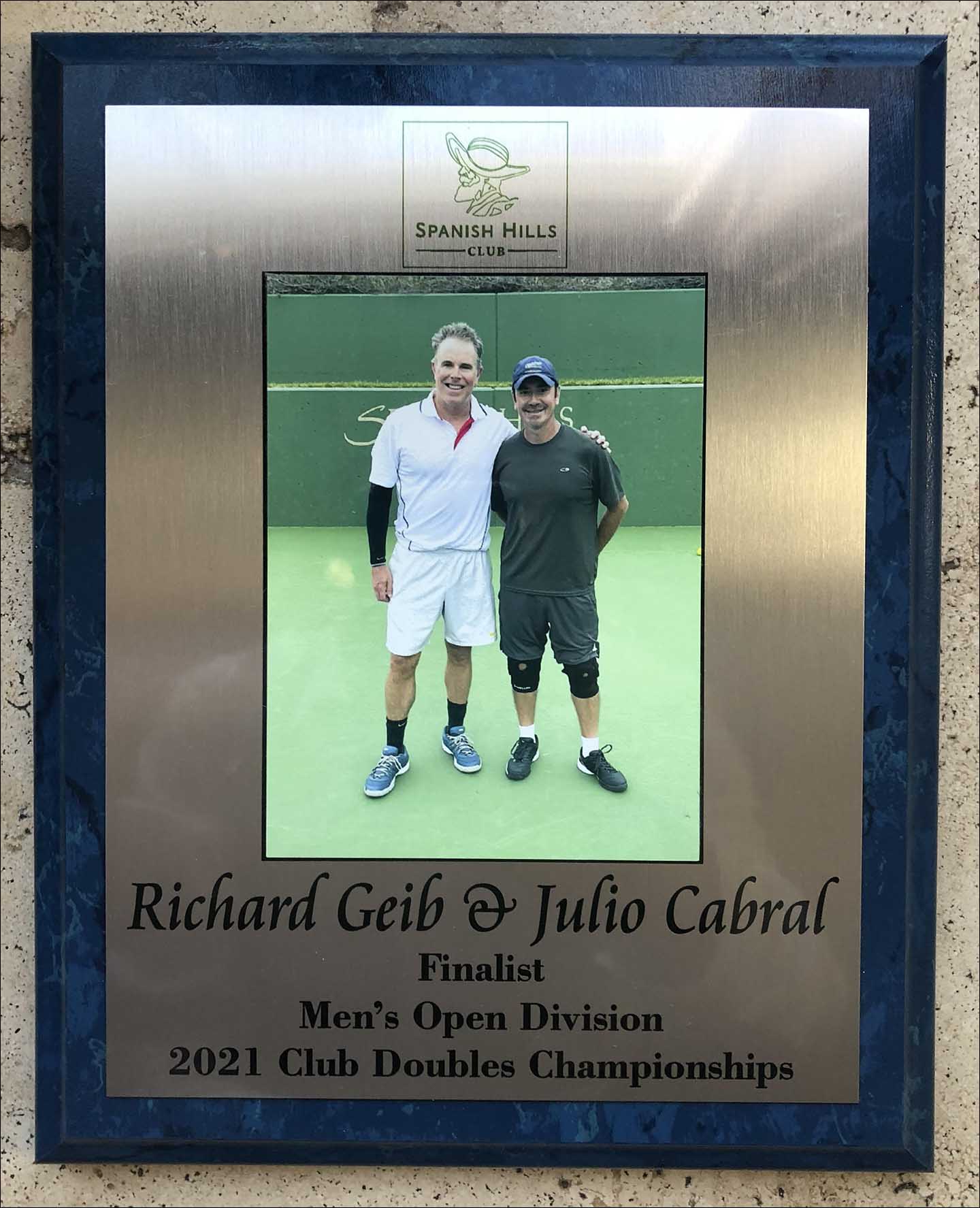
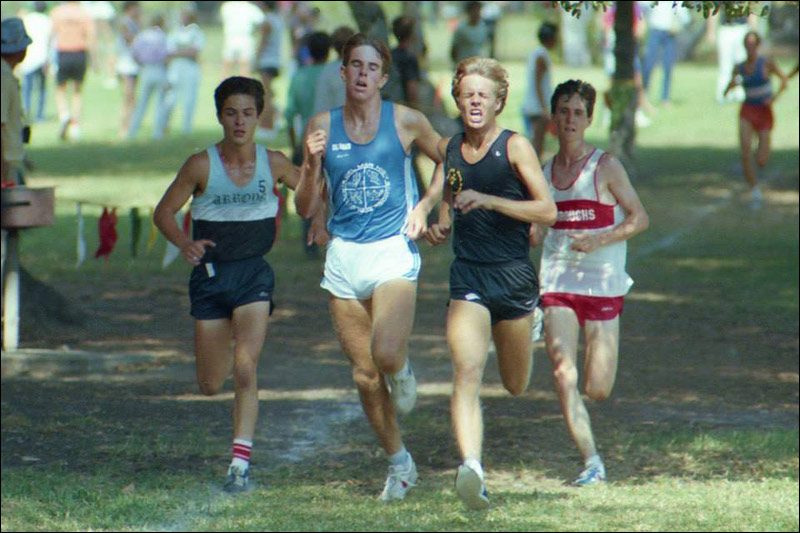
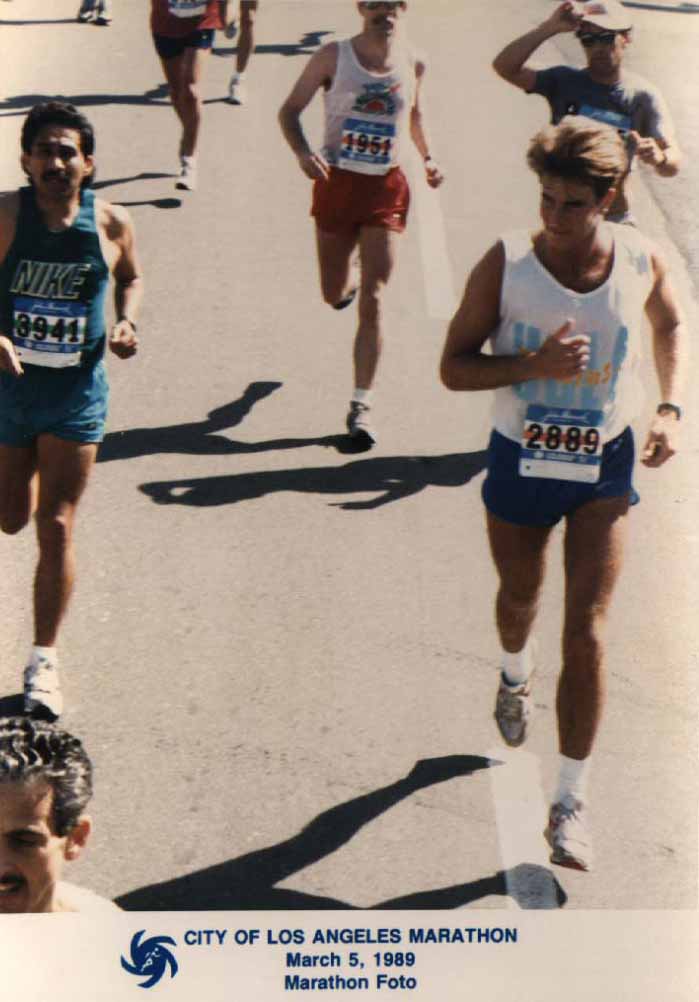
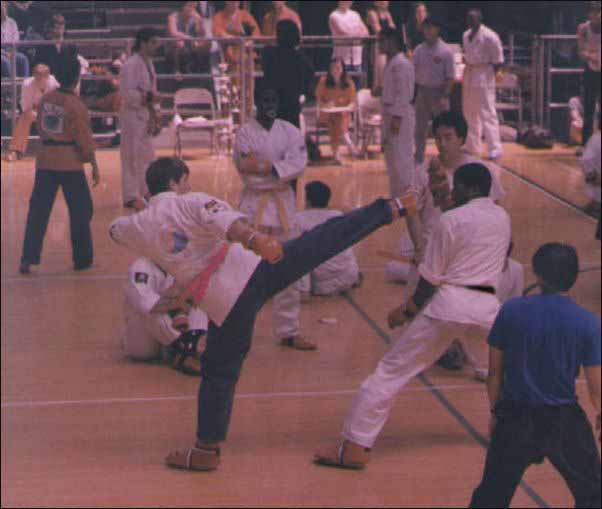
Who were my teachers growing up? My parents, of course. And certain coaches and teachers, too. Two Korean martial arts masters I was lucky enough to encounter. They were all formative and essential. But I would also add huge doses of Fyodor Dostoevsky, DH Lawrence, Franz Kafka, Michel de Montaigne, Ludwig Beethoven, JS Bach… and Henry David Thoreau, John Steinbeck, JRR Tolkien, William Shakespeare, Sophocles, and Aeschylus. The tennis court. Running the mile and LA Marathon. The martial arts mat. A few girlfriends who helped to unlock the power and possibilities of intimacy and sex, and what I learned about them and myself in the process. (My God, how important was that?) And to a lesser extent a thousand other more minor influences in politics and culture before I turned 25-years of age. They all helped to develop my idea of the “self,” and I have not deviated overly much from that since then. I am today simply a deeper, more substantial version of who I was yesterday.
There is a saying, “When the student is ready, the teacher appears.” My beautiful daughters, I urge you to try to be the sort of student who attracts powerful teachers, whoever they may be. And follow those teachings as they help you to become the best possible version of you that you can be. Don’t worry too much if that takes you in unorthodox directions; give some credence to conventional thinking, but not too much. You can only be yourself, not some other version another has of who you should be. This may take you away from the herd. That is probably a good thing. When everyone else says, “x,” you are free to say “y.” You will survive everyone looking at you with shocked surprise. Just because nobody will admit the emperor has no clothes, that does not mean he is not naked. You can survive holding a minority opinion, daughters. Huge amounts of stupidity are tolerated because nobody will call it out. This is more true than ever before in the age of social media, but it does not have to be. Turn off your smartphone and turn on your brain. You can never develop fully and freely in full public view online, so give yourself the privacy required to become your own person. Don’t let trends of the moment unduly sway your long-term thinking on complicated questions which have never had easy answers. And those are the only questions really worth asking. They are the ones worth attempting an answer. You can wrestle with those questions for the rest of your lives, as have I.
Try to be that most rare and wonderful thing: an idiosyncratic and original thinker. It is rare because it is hard. It requires oodles of deep and honest thinking. Most people don’t have the time or inclination for that. Most just repeat what others say; they haven’t thought it through much. You should go further than that. It will make a difference. Your opinions will have nuance and depth. They will be deeply held and convincingly defended. You will become a person of substance, and your thinking will be solid. You will not be prone to intemperate outbursts. There is a solidness and strength in serenity which is earned. Others can sense it. They respect it. “Donde hay serenidad, hay fuerza.”
The next subject I feel I am on fragile ground on, but I will say it anyway. Try to find a vocation which you believe in, and pursue that for money and self-fulfillment. You will no doubt hear this maxim: “If you find a job you like, you will never ‘work’ a day in your life.” But nobody in the real world likes their job all the time, and if people always enjoyed their job they would not call it “work.” I consider it a success if I like my job 70% of the time. I usually enjoy teaching my students, and I am dedicated to my craft as an educator as I was when I started 31 years ago. But there are elements of my job as a public school teacher which I absolutely loath, and I have begun to lose faith in the system as a whole. This is a contradiction, admittedly. It scratches at my conscience, clearly. But I believe in what I am doing. I look at myself in the mirror and realize that I am contributing to the good in the world. I regard my life and respect what I see. I do an honest job I believe in. I live my life having no known mortal enemies who hate me. My conscience is clear. I have done my best. I have few regrets.
You have expressed a bit of skepticism that anyone would choose a vocation because they believe in that job and want to serve mankind. You have told me that making a lot of money is at least as important a consideration as the nature of that work. You might be right. Plenty of people do jobs more for the money than for any concept of altruistic idealism or self-fulfillment. You expressed an interest in going into medicine, and I responded that I had never seen much of an interest in healing the sick from you. “Plenty of people become doctors not out of any real desire to cure disease but rather to make a lot of money,” you scoffed. I suspect you are right. And I suspect many people do jobs which they don’t especially like, or which don’t much believe in, for the money. But I also suspect that if you are not much engaged in your work and don’t really believe in what you do, then you are selling yourself short. We spend so much of our lives working, and so you want to choose carefully something you at least enjoy most of the time. Spending your workdays for decades performing labor you dislike is a common tragedy for working people; it is no less tragic for being so common. Avoid this footfall, my beautiful daughters. In my opinion, you should want more. After twenty years in the workforce you want to be able to look at yourself in the mirror without disliking what you see – a person making the world worse in their job, or not making much of a difference at all – or just wasting your life doing something for a paycheck to pay the bills. Money is not the most important thing. Your time – your life – is. By all means, make the money you need to sustain yourself and your loved ones. But use your time as wisely as you can. It might prove a delicate balance. There might be compromises involved. But don’t spend your precious time and energy in employment you DISLIKE – or worse, HATE. That will poison your life.
So get that job you believe in and work and enjoy it, at least most of the time. Such jobs exist. Find and get one. Work it dutifully and conscientiously over several decades. Experience the joys and endure the pains of your career choice; any job of note will offer plenty of both. Do the best you can at work. Then retire. Your mother and I hope to leave you enough money to help make a comfortable retirement easier. But don’t just get a job, my daughters; get a vocation. You want purpose and passion in your adult life. A reason to get out of bed and attack the workday. Money should be one factor in that, albeit an important one. But it should not be the only or most important one, in my opinion.
I admit I could be wrong, my daughters. Maybe it is more important for you to get a job that pays extremely well and allows you the financial freedom to do whatever you want. That was not the path I chose as a teacher. My choices resulted in more modest paychecks, and so I could not buy everything I wanted. There were financial constraints. That was my choice, freely chosen. But be very careful about doing things only – or mostly – for money. Maybe that financial bounty will result in profound happiness and fulfillment. But maybe not.
Only you can answer that question.
And there are no easy answers.
Like WB Yeats explains in his poem “The Choice” –
The intellect of man is forced to choose
perfection of the life, or of the work,
And if it take the second must refuse
A heavenly mansion, raging in the dark.
When all that story’s finished, what’s the news?
In luck or out the toil has left its mark:
That old perplexity an empty purse,
Or the day’s vanity, the night’s remorse.
Your mother and I tried our best to raise you two as best we could. I am sure we had our stronger and weaker points as parents, and we made mistakes, no doubt. But you learned about the world at first from us. Both from our words and our examples, we were your first teachers. The problems and dilemmas we faced then were relatively simple, and so I had more to say about them. You were very young and lacked experience and perspective. So you needed guidance and answers. We gave it, as best we could.
But now that you are older that has changed. It is a complicated world, and navigating it successfully will be a complicated task. So I am careful in giving any advice for adult life, and I offer the above tentatively. You will have to find your own way, my beloved daughters. There are few absolutes. Choices one way or another won’t have clear outcomes; the future is always cloudy. I will of course try and give you guidance. At 58-years of age I still crave and need the assistance of my 86-year old father, although I filter what he tells me through my own judgement and experience. Nevertheless, I value his input on difficult dilemmas. I seek it out. He is my father. He has enormous amounts of lived experience which I trust, mostly. My father will tell me what he really thinks, even if I don’t like it. That is a large part of why I ask him.
But let’s start from the basics.
Where is the best place to end this essay?
I think it is this:
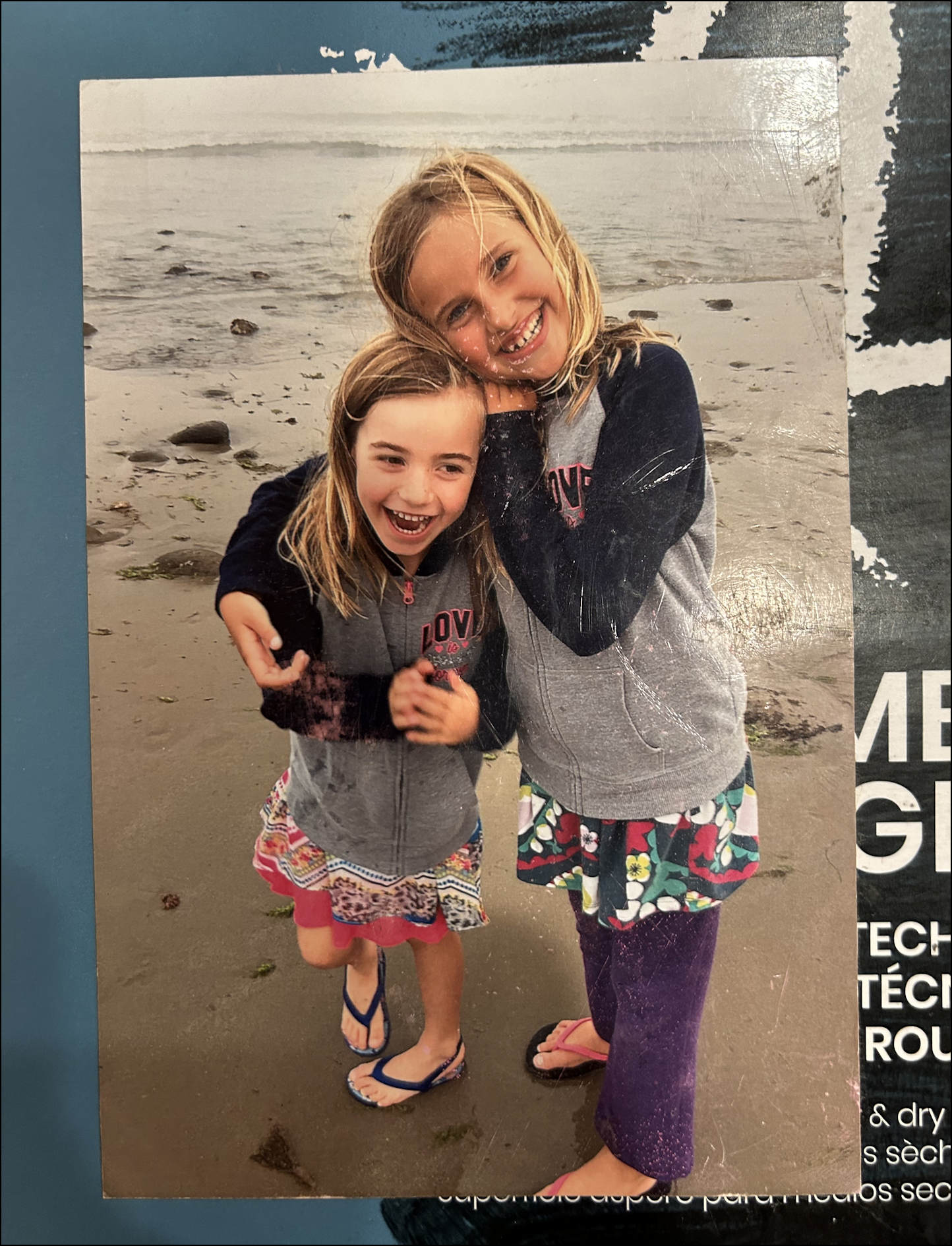
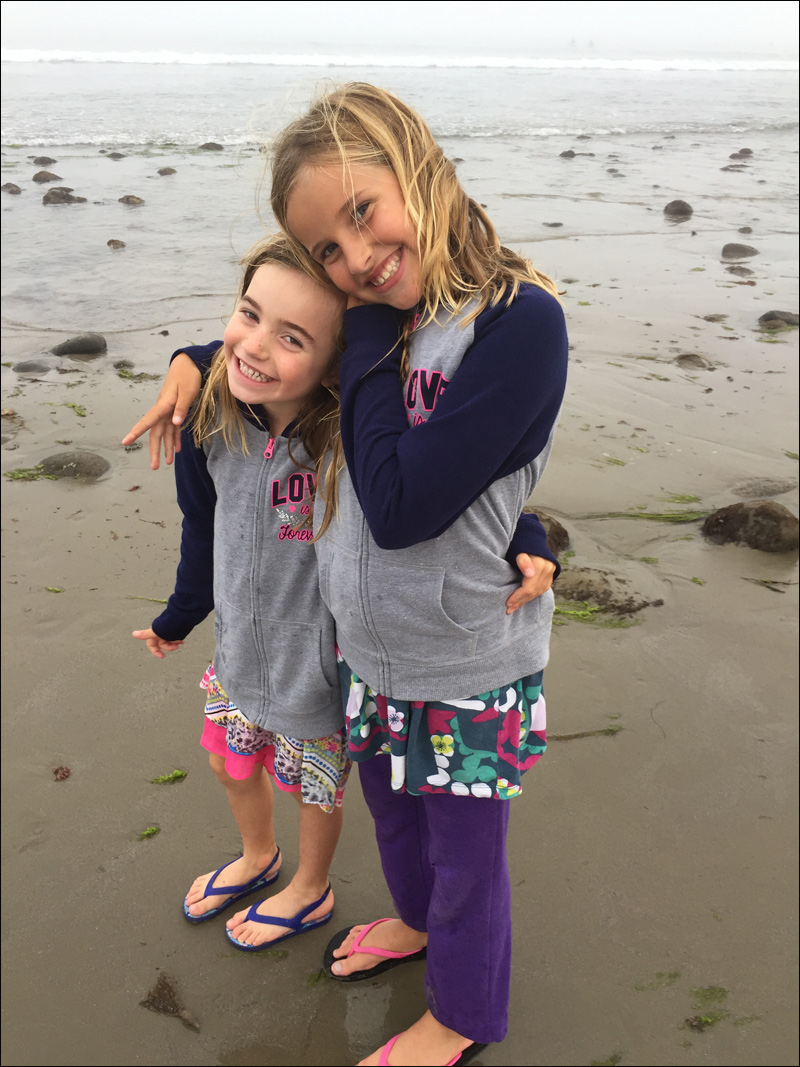
Julia and Elizabeth, I hope when you look in the mirror you see the kind of adult your younger self would have admired — and your older self still respects.





2 Comments
Ashwin Rebbapragada
Beautiful post. Very meaningful and thoughtful questions asked. If you want to have a good life value knowledge, learning, and growth. Knowledge is power. Knowledge opens doors. Meeting with career counselors is also helpful. There are lot of great careers out there. People just don’t know about them. Reading and researching about careers can also help people discover their interests, passions, and talents. Having a college education is good. Learning a trade or technical skill could also be helpful. Having a trade skill in your back-pocket might be a good strategy. It gives you more options. There are many good trade jobs out there like aircraft mechanics, electricians, diagnostic medical sonographer, etc. Reading self-helps books can also give direction and meaning. Reading about personal finance, money management, and investing is a major plus and major requirement for any adult. Above all keep reading, learning, and exploring. Research skills high in demand and see if that fits your personality. New fields are emerging like Data Science.
A
Thank you for writing this meaningful blog post. I appreciate the way you write. Your daughters are lucky to have such a supportive parent who is open to discussing important life trajectories and vulnerabilities with. I, myself, have not been so fortunate to have such emotionally available parents, though I am aware that they are just trying the best they can; just as we all are with life. I have also enjoyed your other blog posts and will have a read around. Cheers.